

The Institutional "Tsunami": BlackRock and the Structural Repricing of Digital Assets
As institutional adoption reaches an inflection point, leading market strategists point to a convergence of liquidity, AI-driven utility, and tokenization as the catalyst for the next cycle.
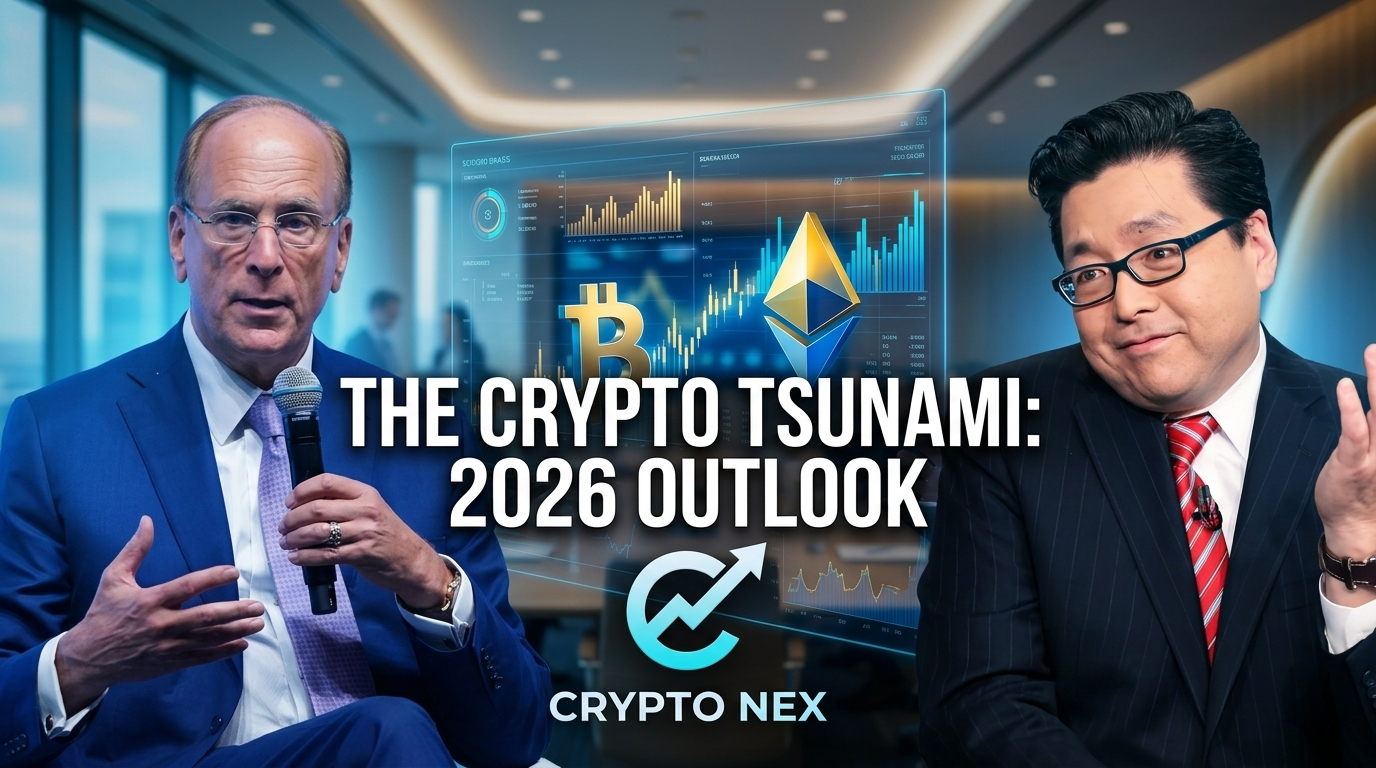
NEW YORK — The global financial architecture is undergoing a quiet, yet profound, transformation. While retail sentiment remains caught in the crosscurrents of short-term volatility, the institutional narrative is shifting toward a more strategic horizon. Industry leaders, including BlackRock’s Larry Fink, have signaled that the integration of digital assets into global markets is not merely a trend, but a structural imperative.
The Liquidity Catalyst
The "tsunami" predicted by strategists for 2026 is grounded in the shifting dynamics of global liquidity. Historically, risk assets respond with heightened sensitivity to expanding money supplies and easing financial conditions. Market observers suggest that the current market landscape—characterized by extreme defensive positioning—is often the harbinger of a significant repricing event.
As institutional capital looks for yields beyond traditional debt markets, the efficiency of on-chain settlement has moved from the periphery to the center of boardroom discussions. This is no longer just about price action; it is about the operational transition toward programmable finance.
Convergence: AI and the Programmable Economy
Perhaps the most compelling argument for the future of digital assets is the nascent convergence of artificial intelligence and blockchain-based settlement layers. As autonomous software agents begin to participate in economic activities, the limitations of the current legacy banking rails become evident.
Programmable, borderless, and 24/7-operational networks like Ethereum are increasingly viewed as the utility layer for this new machine-to-machine economy. This utility provides a long-term valuation metric that is independent of retail speculation, tying the success of these networks to actual enterprise demand.
Institutional Blueprint
Institutional interest has shifted focus toward the "tokenization" of real-world assets. By bringing traditional financial instruments onto the ledger, firms seek to minimize settlement latency and reduce the overhead costs associated with legacy clearinghouse processes.
Bitcoin continues to hold its position as a strategic reserve asset, functioning as digital hard money in a world of persistent monetary expansion. Meanwhile, Ethereum and its ecosystem are positioning themselves as the foundational infrastructure for the expansion of tokenized finance.
The Outlook Ahead
If the next phase of the market is indeed institutional in nature, the scale of participation will be significantly larger than previous cycles. The term "tsunami" underscores a potential for sudden, rapid repricing once the macro-liquidity environment turns favorable.
For investors, the present environment serves as a critical junction. The structural forces supporting the long-term case for digital assets remain intact. As the global financial system continues its transition toward on-chain operations, the role of these assets is set to become increasingly central to the global investment conversation.
Disclaimer: This content is for informational and educational purposes only and does not constitute financial or investment advice. Cryptocurrency investments involve significant risk; always conduct your own research and consult with a professional financial advisor before making any investment decisions.
